

The Importance of a Coffee Filter Machine
For the best results you should use filtered water that's fresh and clean. This allows the complex flavours of the coffee beans to shine through.
A filter machine is also more cost effective in the long term, as you only need to purchase ground coffee and paper filters. It is also possible to save money on disposal and cleaning costs.
Filtered Water
Many espresso and coffee machines come with their own filter system. Some machines have filters that can be reused, like the Brita filter, which is a popular choice for many. Whatever you decide to use the most crucial step to make the perfect cup is to use clean water. Apart from the obvious health benefits, drinking water that is filtered improves the taste and consistency of your drink.
The process of filtration involves pushing water through a filter comprised of tightly woven paper, or mesh that is either unbleached or bleached. Bleached filters are made with chlorine or oxygen to get their white color, while unbleached filters are not made with chemicals. Some people prefer the flavor of a bleached filter while others find the coffee more sour or less flavorful.
There are also permanent coffee filter systems that are available like perforated metal sheets, fine plastic mesh, porous ceramics, and glazed porcelain sieves that hold the grounds but allow water to flow through. They may need to be heated or rinsed regularly to function, but are cheaper and less wasteful.
Filtered water can also work with pour-over and French press methods since it gets rid of some of the coffee oils that could taint the final cup. These oils are an essential element in the flavor and aroma of the brew, therefore eliminating them can make a huge difference. In addition to this, a filter makes sure that all the ground coffee is properly brewed and does not leave any granules behind.
It is crucial to choose a filter that matches your brewing method to ensure the best results. Aeropress for instance, utilizes a paper filter of a certain size to minimize the amount of coffee oil and sludge in the final product. It is important to rinse your filter with soapy, hot water prior to each use. This will remove any taste of paper that may remain and keep it from tainting coffee. Some people also discover that conical filters make their brew more consistent and richer than a traditional flat filter, because it permits the water to flow in a uniform manner through the grounds due to gravity.
Temperature and Pressure
The temperature of the water in the coffee filter machine is vital. As well as allowing the proper ratio of coffee to water, it also ensures the best extraction of flavours and aromas. The ideal temperature for brewing is between 88degC and 92degC. Some machines are equipped with water thermometers which allow you to check the temperature of the beverage. Other gadgets such as gooseneck kettles and laser thermometers are also able to help you achieve the perfect temperature for brewing.
The type of filter paper in the coffee filter machine is another important factor. The most commonly used are paper filters, however there is a growing demand for filter sieves that can be reused. These filters are made of materials such as metals woven into a weave, such as steel, aluminium, and copper, plastics, (including Makrolon/Exolon as well as Tritan) porous ceramics, or porcelain, and are placed in filter holders that are designed to hold paper filters or cloth.
The filters are available in a wide assortment of shapes and sizes. Some filters have a distinct "papery" taste that can be reduced by washing them in hot water prior use. Permeability can also have a major impact on the flavor of the coffee. This is affected by the size and shape of the filter as well as the material used to construct it, as well as the manufacturing method.
Regularly cleaning your filter coffee maker is crucial, especially in areas with hard water. This will ensure that the machine is operating efficiently and prevent mineral deposits. Emptying the used grounds from the filter basket and washing it should be part of your routine cleaning routine.
The effects of varying brew temperatures on the total dissolved solids (TDS) and extractive quality have been investigated through a variety of studies. The results show that a low extractive quality and a high TDS can result in unpleasant sensory characteristics, such as bitterness, astringency, or acidity. However, the data from these studies don't compare coffees served at a temperature that is controlled for serving and therefore cannot confirm whether the sourness that is observed is due to an increase in TDS or a lower quality extract. The bitterness or astringency that was observed in these studies could also be due to other factors, like the size of the grind of the coffee or the roasting temperature.
Extraction
In the process of brewing, water extracts the flavor compounds and oils from the coffee grounds that give the desired taste to the cup of coffee brewed. This is a highly variable extraction process that is influenced by a variety of factors including temperature of the water as well as the time for brewing.
The coffee filter should be wetted before brewing to optimize the flavor. It enhances the aroma of the coffee through an even extraction of the grounds, and lessens bitterness through minimizing over-extraction.
Pre-wetting your coffee filter can improve the brewing experience. It will remove any taste of paper, and will also warm the vessel to the ideal temperature. It also ensures that the brew is evenly distributed, which results in a smoother, more balanced cup of coffee.
Coffee filters are available in a variety of shapes to suit different methods and equipment for brewing. The most well-known are cone filters, basket filters, and flat-bottom filters. The shape of the coffee filter has a direct impact on the extraction. The choice of the coffee grounds, along with the brewing temperature, also impacts the flavor.
If the coffee is brewed in a drip, immersion or pour-over style coffee maker, it's essential to thoroughly wet the filter prior to starting the coffee brewing process. Wetting the filter before the coffee is brewed allows carbon dioxide to be released and prevents a "paper taste" which could negatively impact the flavor of the coffee.
The process of wetting the filter can also increase the agitation and encourages a uniform distribution of coffee grounds within the filter. This helps reduce the amount of coffee extracted and achieve the same brew for each batch.
Pre-wetting can also help stabilize the flow of water and ensure the brewing surface is completely saturated. This helps reduce the risk of over-extraction, which can cause bitterness and astringent flavors in the final coffee.
The chemistry behind optimum brewing temperatures is complex and varies. For filter coffee machines the recommended temperature range is 90degC and 96degC (195degF to 205degF). This range is ideal for a wide range of brewing techniques and helps prevent areas of significant corrosion or scaling within the coffee maker’s internal components.
Cleaning
A regular cleaning is crucial to maintaining a high-quality coffee filter machine. This simple task can prevent the buildup of residue and hard water that can affect the flavor of your coffee. It also saves you money over the long term by making it less frequent to replacement filters.
The first step to clean your cloth, paper or metal filters is to get rid of any remaining dirt. The filter can be washed in warm water or by hand. You can also soak the filter in a solution of white vinegar and warm, lukewarm water for a deeper clean. This can help remove residues and oils. A tiny amount of baking soda can also be used as a mild abrasive to remove the stubborn stains and residue. Clean and dry your filter completely before using it again.
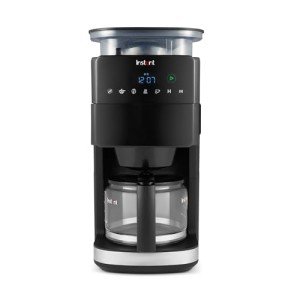
No matter if you have a pour-over or drip coffee maker, a thorough cleaning is crucial to ensure the freshest cup of coffee every time. This will ensure that your coffee maker is in top functioning condition and decrease the possibility of mold or bacterial growth.
Go through dripping coffee maker for your device for recommended cleaning methods. In most instances hot soapy water is all that is needed to clean the reservoir of water and eliminate any stains or residue. Cafiza is a special cleaning product that can be used to eliminate any lingering odors or buildup from your coffee maker.
This cleaning solution can also be used to clean the carafe of your machine, or other removable parts such as the lid or plunger. To achieve the best results, rinse and dry your machine to remove any vinegar odors or tastes.
A well-maintained coffee filter is a great investment for any household and will allow you to have a better tasting coffee. If you take good care of it, your coffee filter machine will be a vital element of your morning routine for years to come. Don't be afraid to invest in a quality coffee maker.